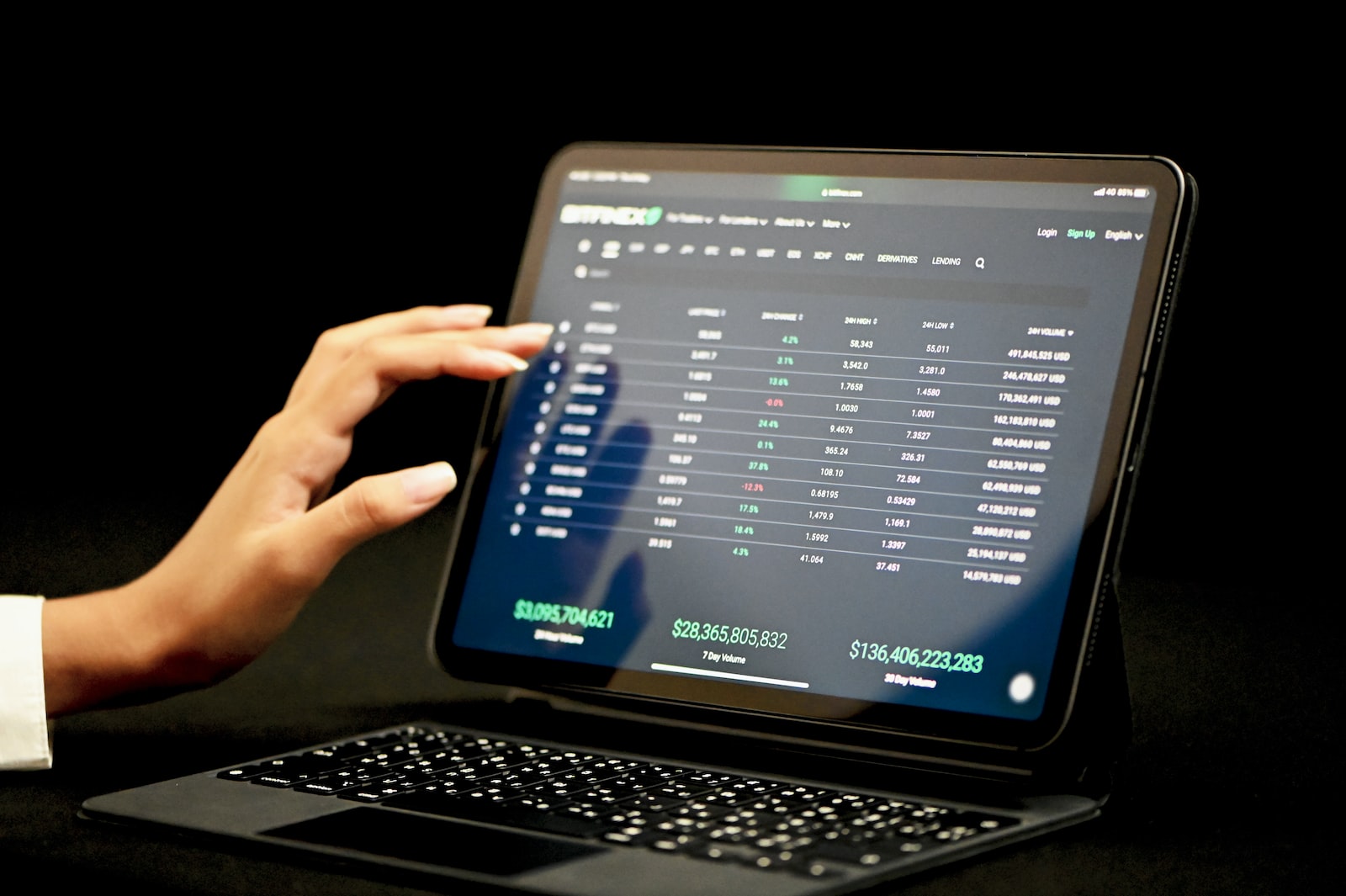

Trading securities in a day, or even in a few seconds, is known as day trading. Nothing about it relates to investment in the conventional sense. It is taking advantage of the regular up-and-down price swings that take place during a trading session.
Day traders are tuned into the things that trigger quick changes in the market. One well-liked strategy is trading in response to the news. Market expectations and market psychology can affect scheduled announcements like the release of economic statistics, business earnings, or interest rate changes. That is, when those expectations are not realized or are surpassed, the market responds, typically with swift, large movements that are very advantageous to day traders.

Day trading is for seasoned investors who are capable of making quick selections about volatile securities.
This strategy focuses on making numerous small profits on ephemeral price changes that occur throughout the day.
This uses pre-determined support and resistance levels in prices to determine the trader’s buy and sell decisions.
This strategy seizes trading opportunities from the heightened volatility that occurs around news events.
This strategy uses advanced algorithms to exploit minor or short-term market inefficiencies.
The profit potential of day trading is an oft-debated topic on Wall Street. Internet day-trading scams have lured amateurs by promising enormous returns in a short period of time. Some people day-trade without sufficient knowledge. But there are day traders who make a successful living despite—or perhaps because of—the risks.
Many professional money managers and financial advisors shy away from day trading. They argue that, in most cases, the reward does not justify the risk. Moreover, many economists and financial practitioners argue that active trading strategies of any kind tend to underperform a more basic passive index strategy over time especially after fees and taxes are taken into account.
Profiting from day trading is possible, but the success rate is inherently lower because it is risky and requires considerable skill. And don’t underestimate the role that luck and good timing play. A stroke of bad luck can sink even the most experienced day trader.
There are two primary divisions of professional day traders: those who work alone, and/or those who work for a larger institution. Most day traders who trade for a living work for large players like hedge funds and the proprietary trading desks of banks and financial institutions. These traders have an advantage because they have access to resources such as direct lines to counterparties, a trading desk, large amounts of capital and leverage, and expensive analytical software.
These traders are typically looking for easy profits from arbitrage opportunities and news events. Their resources allow them to capitalize on these less risky day trades before individual traders can react.
Individual traders often manage other people’s money or simply trade with their own. Few have access to a trading desk, but they often have strong ties to a brokerage due to the large amounts they spend on commissions and access to other resources. However, the limited scope of these resources prevents them from competing directly with institutional day traders. Instead, they are forced to take more risks. Individual traders typically day trade using technical analysis and swing trades—combined with some leverage—to generate adequate profits on small price movements in highly liquid stocks.
Day trading demands access to some of the most complex financial services and instruments in the marketplace. Day traders typically require all of the following:
This is usually reserved for traders who work for larger institutions or those who manage large amounts of money. The trading or dealing desk provides these traders with instantaneous order execution, which is crucial. For example, when an acquisition is announced, day traders looking at merger arbitrage can place their orders before the rest of the market is able to take advantage of the price differential.
News provides most of the opportunities. It is imperative to be the first to know when something significant happens. The typical trading room has access to all of the leading newswires, constant coverage from news organizations, and software that constantly scans news sources for important stories.
Anyone thinking about entering into day trading should proceed cautiously because it might take a lot of time and money to be successful in this effort. Investments in this sector are prone to large wins and losses.
If you decide to try day trading, make sure you are completely informed of the risks involved, and that you have a strong strategy for managing your capital in both good and bad times. If you are unsure what to do, please contact customer service for assistance.